Vietnam vs Thailand for Dental Work: Which Is Better for Americans?
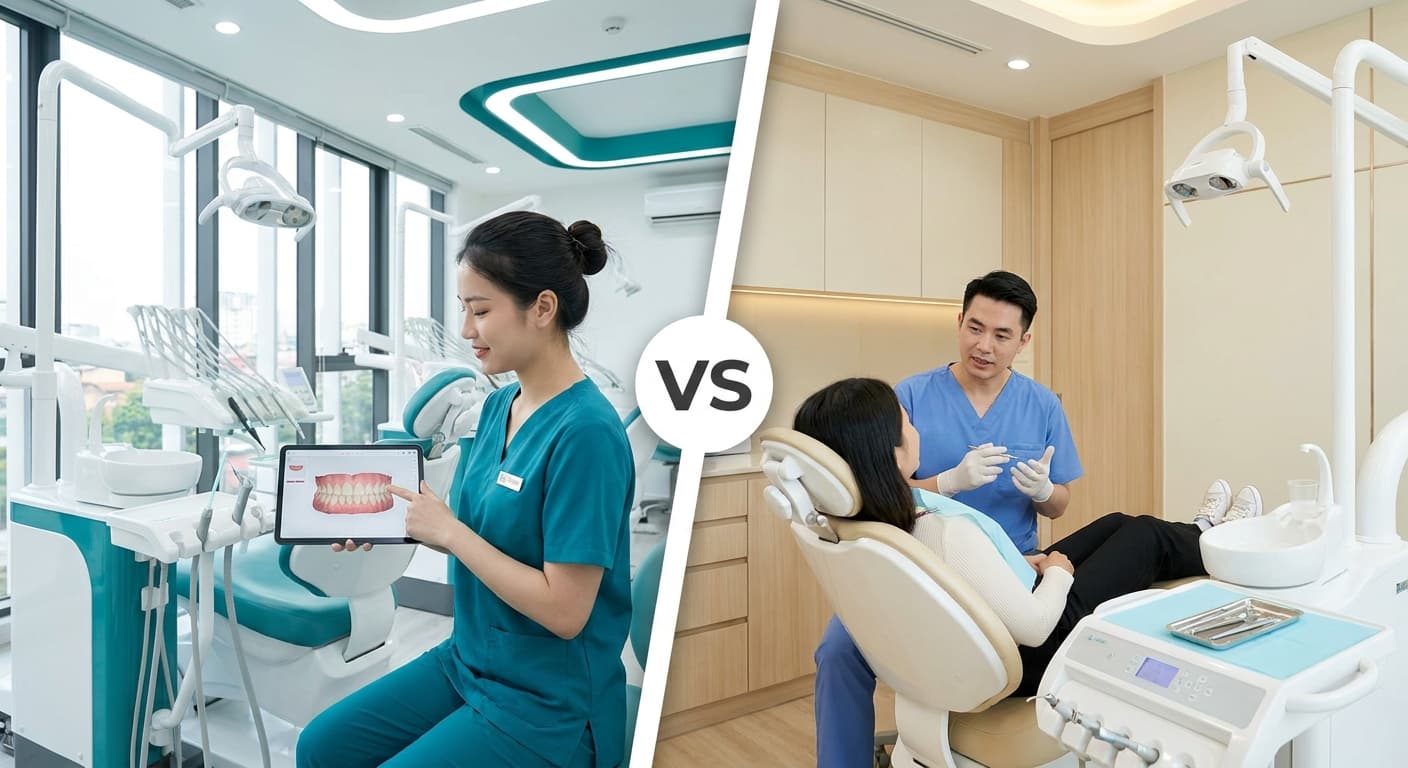
Both Vietnam and Thailand offer high-quality dental work at 60–80% below US prices, performed by internationally trained dentists using the same implant and ceramic systems used in America. Vietnam is 20–30% cheaper than Thailand's top dental hospitals, offers a richer cultural experience, and has exceptional specialist dental clinics. Thailand has more established international patient infrastructure and is easier to navigate independently. For Americans willing to invest in proper trip planning, Vietnam delivers better value. For first-timers who want the smoothest possible path, Thailand is the lower-friction option.
Key Takeaways
- ✅ Both destinations: 60–80% cheaper than the US for equivalent dental procedures
- ✅ Vietnam is 20–30% cheaper than top Bangkok dental hospitals
- ✅ Clinical quality is comparable at vetted clinics in both countries
- ✅ Thailand has more English-language infrastructure for independent travelers
- ✅ Vietnam offers stronger value + cultural experience for planned trips
- ✅ Neither is better for every patient — the right choice depends on your procedure, budget, and comfort with trip planning
The Real Question Americans Are Asking
When someone searches "Vietnam vs Thailand dental work," they're not asking for a geography lesson. They're asking: where should I book my flight?
This guide answers that directly — with real cost numbers, real quality differences, and an honest take on when each destination makes more sense.
Cost Comparison: The Numbers Side by Side
Dental costs in both countries are significantly lower than the US. But the gap between Vietnam and Thailand is meaningful.
| Procedure | USA | Thailand (Bangkok top clinics) | Vietnam (HCMC top clinics) | Vietnam vs Thailand |
|---|---|---|---|---|
| Single dental implant (Straumann) | $3,000–$5,000 | $1,500–$2,500 | $1,100–$1,700 | 25–35% cheaper |
| All-on-4 (per arch) | $20,000–$40,000 | $8,000–$14,000 | $5,000–$10,000 | 25–40% cheaper |
| Porcelain veneer (per tooth) | $1,500–$2,500 | $400–$700 | $250–$450 | 30–40% cheaper |
| Full porcelain crown | $1,200–$2,000 | $350–$600 | $200–$400 | 30–40% cheaper |
| Teeth whitening (in-office) | $500–$1,500 | $200–$400 | $100–$250 | 35–45% cheaper |
| Invisalign (full treatment) | $4,000–$8,000 | $2,500–$4,500 | $3,500–$6,500 | Comparable or slightly more |
| Metal braces | $4,000–$6,000 | $1,500–$3,000 | $1,400–$2,200 | Comparable |
Note on Invisalign: Vietnam pricing for Invisalign is slightly higher relative to other procedures because it's priced internationally through Align Technology's distributor network. The advantage is flexible payment plans (0% installment) and the quality of Invisalign-certified providers.
Quality Comparison: What Matters Clinically
Cost is meaningless without quality context. Here's how the two countries compare on the things that actually determine outcomes:
Implant Systems
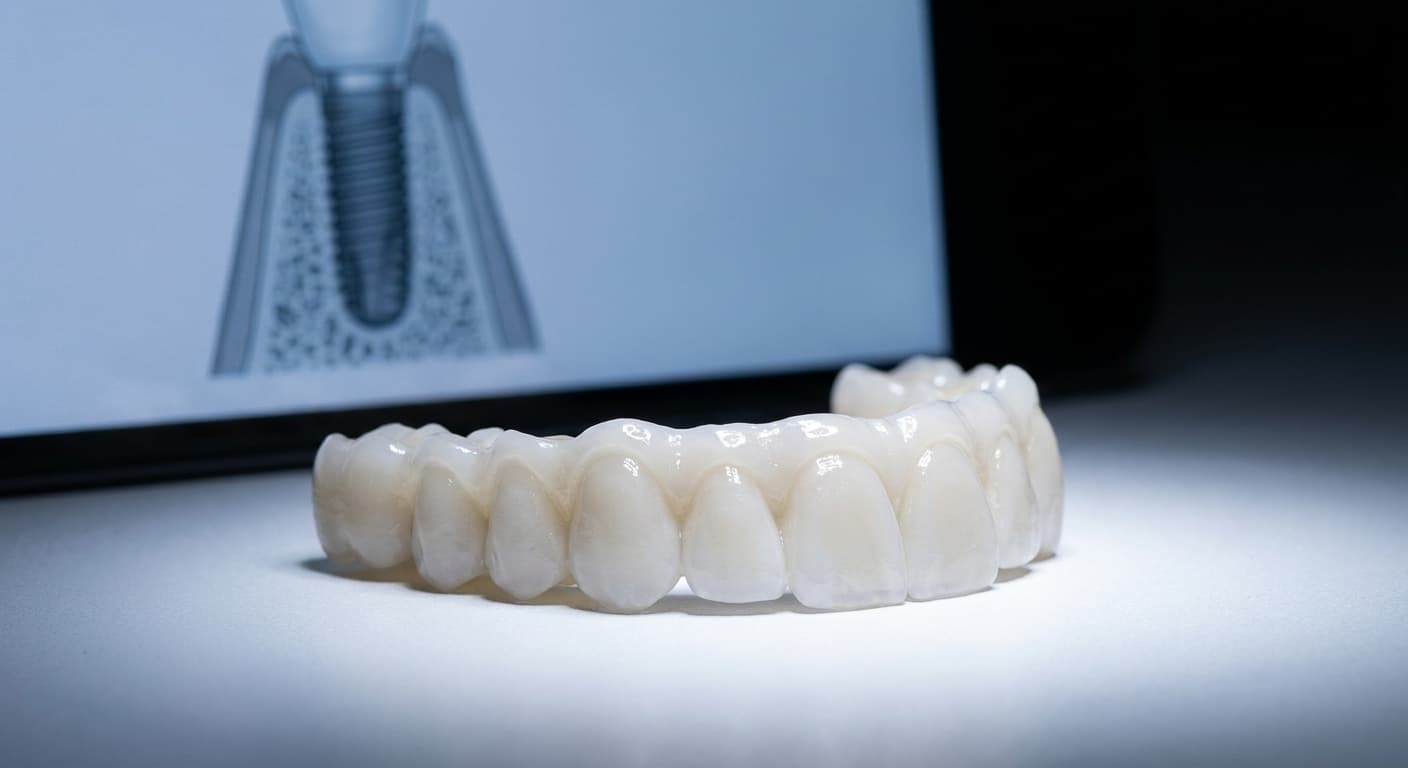
Both Vietnam and Thailand's top clinics use the same tier-1 implant systems: Straumann (Switzerland), Nobel Biocare (Sweden), and Zimmer Biomet (US). At this equipment level, the implant material itself is identical regardless of where it's placed.
What varies is the surgeon's technique and the clinic's sterilization and follow-up protocols. At accredited clinics in both countries, these meet international standards. The risk concentrates at non-vetted, lower-price clinics in both markets.
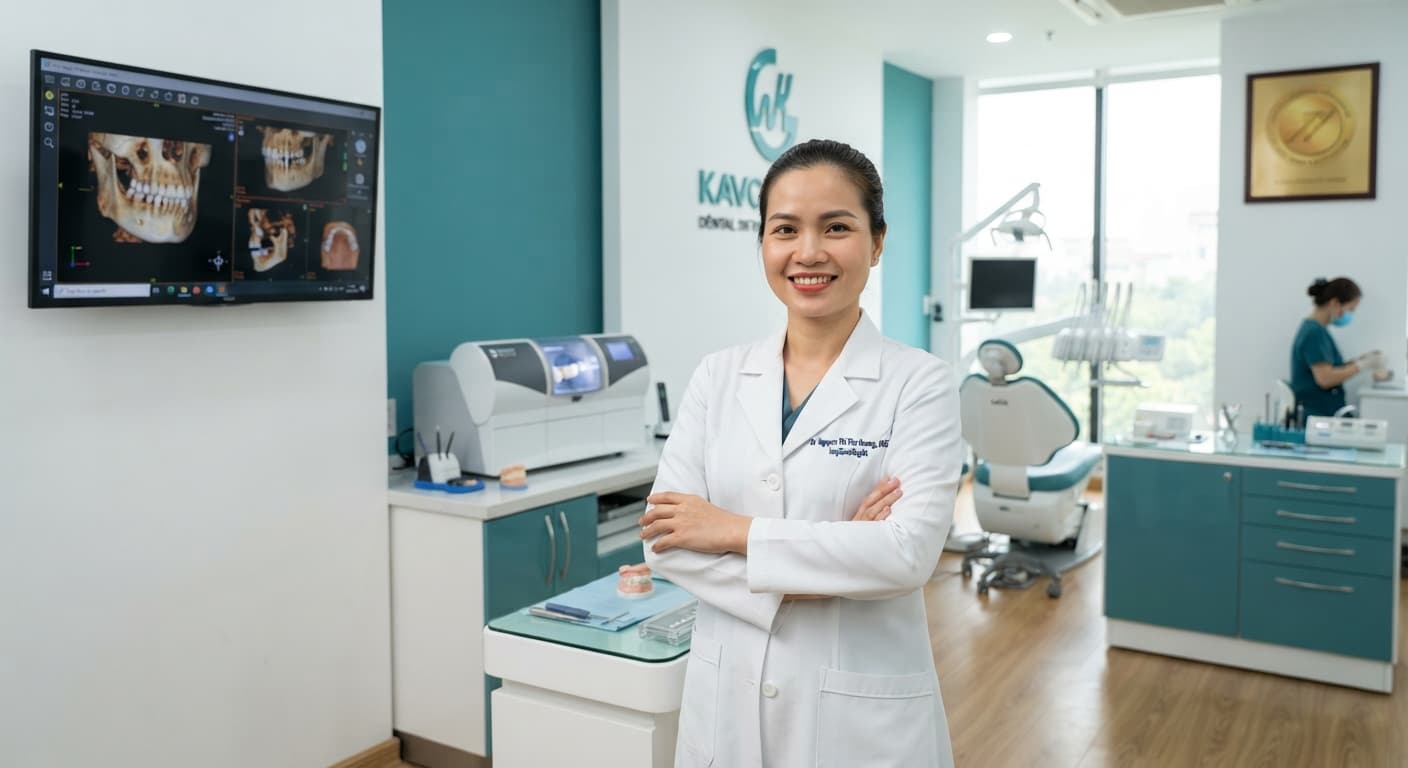
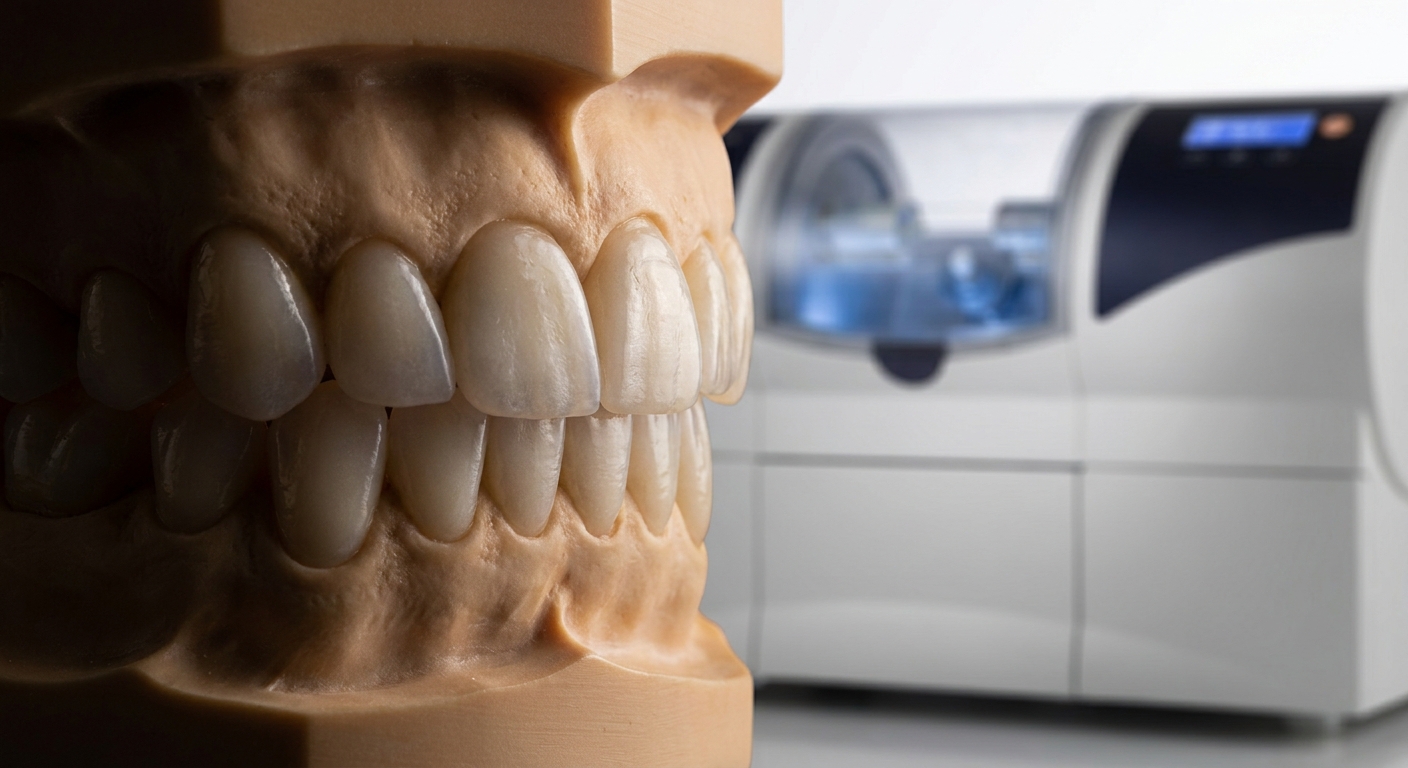
Vietnam specific advantage: Top dental clinics in HCMC — Picasso Dental, Worldwide Dental — have invested heavily in CAD/CAM in-house labs, which means same-visit digital impressions, shorter lab turnaround, and more precise prosthetics. Several Bangkok dental hospitals still send lab work to external facilities, adding time and a quality control variable.
Ceramic and Veneer Systems
Both markets use Ivoclar (Liechtenstein) and GC Initial (Japan) ceramic systems for veneers and crowns — the same materials used by top US cosmetic dentists. Ask specifically which ceramic system your clinic uses; a reputable clinic will tell you immediately.
Digital Dentistry
3D cone beam CT scanning, intraoral scanning, and digital smile design are standard at top clinics in both Vietnam and Thailand. Vietnam's top dental clinics adopted these technologies at roughly the same pace as their Bangkok counterparts.
English Proficiency of Clinical Staff
This is where Thailand has a genuine advantage, particularly at hospitals like Bumrungrad, Bangkok Dusit, or Dental World in Bangkok. Their international patient departments are well-funded and English is the working language for foreign patients.
At Vietnam's top dental clinics, English is available but the depth varies by staff member. Senior dentists and patient coordinators at vetted clinics communicate well in English; support staff less reliably so. A professional interpreter through your medical coordinator closes this gap completely.
Logistics Comparison: Getting There and Getting Around
Flight Time and Cost
From the US West Coast: both Bangkok and Ho Chi Minh City are roughly 20–22 hours of total travel time with one connection (typically Seoul, Tokyo, or Taipei for HCMC; Seoul, Tokyo, or Doha for Bangkok). Direct travel times and connection options are comparable.
Flight costs from the US to both destinations are broadly similar — $700–$1,400 economy round trip depending on season and advance booking. Neither city has a consistent advantage on this front.
Accommodation
Bangkok's medical tourism ecosystem has hotels within walking distance of major dental hospitals in the Sukhumvit and Silom areas — some hotels even partner with hospitals and offer patient rates. Prices: $50–$150/night for quality mid-range options.
HCMC's top dental clinics are concentrated in Districts 1, 3, and Binh Thanh — well-served hotel areas with good transport links. Prices: $40–$120/night for comparable quality. Slightly cheaper than Bangkok equivalent areas.
Getting Around
Bangkok has the BTS Skytrain, the MRT, and a mature Grab rideshare ecosystem. Navigating between hotel, hospital, and attractions is relatively straightforward.
HCMC traffic is famously intense. Motorbikes dominate, and peak-hour traffic between districts can be slow. Grab works well, but travel times between appointments need buffer. This is one area where Vietnam genuinely requires more planning — and where having a local coordinator arranging transport adds clear value.
E-Visa and Entry
US citizens: 90-day e-visa to Vietnam, obtained online before departure. Straightforward process, processed within 3 business days, $25 fee. US citizens: 30-day visa-free entry to Thailand (extendable). Arrival is marginally simpler.

Cultural Experience: Beyond the Clinic
This factor is more relevant than it might appear. A dental trip typically involves 5–14 days in country. What you do between appointments matters for both the trip experience and your recovery mindset.
Vietnam
Vietnam is, by most travel accounts, one of the most distinctive destinations in Southeast Asia. The combination of French colonial architecture, ancient Hoi An, the dramatic karst landscape of Ha Long Bay, extraordinarily complex cuisine, and the sheer energy of HCMC creates an experience that most American visitors describe as genuinely memorable — not just "a place to have dental work done."
For patients with lab-wait time built into their schedule (3–5 days between veneer prep and fitting, for example), a quick flight to Hoi An or Da Nang is a 2-night trip that frames the whole experience differently.
Thailand
Bangkok is also a world-class city — excellent food, spectacular temples, a sophisticated hospitality industry, and accessible beach destinations (Koh Samui, Koh Lanta) within easy reach. For first-time visitors to Southeast Asia, Thailand's tourism infrastructure is more developed and easier to navigate independently.
The honest assessment: if you've been to Thailand before, Vietnam is the stronger experiential argument. If you've never been to either, both are worthwhile — but Vietnam has a stronger element of "this is something different."
When Thailand Is the Better Choice
To be direct about this — because a comparison that only argues for one side isn't actually useful:
Thailand makes more sense when:
- You're a first-time medical traveler who wants maximum institutional support
- You need complex multi-specialty treatment (dental + orthopedics + cardiology in one trip) — Bangkok's large hospital campuses handle this more seamlessly
- You want to combine dental work with easy beach resort recovery at a high-tourism destination
- You prefer to navigate the trip independently without a local coordinator
- You have a specific Bangkok dental hospital already recommended by your network
When Vietnam Is the Better Choice
Vietnam makes more sense when:
- Cost is a significant factor and 20–30% savings vs Bangkok matters to your decision
- You want a distinctive cultural experience that Thailand can no longer provide at its level of mass tourism
- You're focused specifically on dental implants, veneers, or All-on-4 — where Vietnam's specialist clinics genuinely compete with Bangkok's best
- You're comfortable using a medical coordinator to manage logistics
- You want to combine dental work with an authentic travel experience — Hoi An, Ha Long Bay, Da Nang, the Mekong Delta
The Verdict: A Decision Framework
Ask yourself these four questions:
How much does the 20–30% cost difference matter to you? On an All-on-4 ($10,000 Vietnam vs $13,000 Thailand), that's $3,000. On a single implant ($1,500 Vietnam vs $2,000 Thailand), it's $500. Only you know whether this delta is meaningful given your total trip budget.
Are you comfortable using a medical coordinator? Vietnam's dental tourism is best experienced with local support. If you want to self-navigate, Thailand is the easier choice. If you're willing to use a coordinator, Vietnam's advantages are fully accessible.
Have you been to Thailand before? If yes, Vietnam offers something new. If no, Thailand's lower friction may give you more confidence for a first medical trip abroad.
Is the cultural experience a factor? If the trip is purely transactional — get in, get dental work done, get out — the cultural factor is less important. If you want the trip itself to be a positive memory, Vietnam has the stronger case.
FAQ
Q: Is the dental quality in Vietnam as good as Thailand? At vetted clinics using the same implant systems (Straumann, Nobel, Zimmer) and ceramic systems (Ivoclar, GC Initial), the clinical quality is comparable. The difference is in institutional infrastructure — Thailand has more hospitals with established international patient programs. For patients using a coordination service, this gap is largely bridged.
Q: Which country is more hygienic for dental procedures? Sterilization and infection control standards at JCI-accredited and internationally certified clinics in both countries meet international benchmarks. The risk concentrates at non-vetted facilities in both markets. At the vetted clinics Meditrips works with in Vietnam, infection control protocols are documented and audited.
Q: Can I combine dental work with a beach vacation in Vietnam? Easily. Da Nang has excellent beaches and is 1 hour by flight from HCMC. Phu Quoc, Nha Trang, and Mui Ne are all accessible. Many patients use lab-wait days (3–5 days between dental appointments) for a short beach trip, then return to HCMC for the final fitting. Meditrips builds this into the trip schedule.
Q: How do I verify a dental clinic's quality in Vietnam? Ask for: the implant system brand they use (Straumann, Nobel, Zimmer = tier 1), their CAD/CAM lab status (in-house milling is preferred), their English-language patient reviews on Google Maps and What Clinic, and their dentists' credentials and training institutions. Meditrips pre-vets every clinic in its network against these criteria.
Q: What if I start treatment in Vietnam and have a problem after returning to the US? Your treating clinic should provide a full treatment record, implant passport (for implant patients), and aftercare instructions in English. In the event of complications, your US dentist can review these records and coordinate directly with the Vietnam clinic if needed. Meditrips facilitates this communication channel as part of its coordination service.
Planning a Dental Trip to Vietnam?
If you've decided Vietnam is the right destination and want to know which clinic is best for your specific procedure, Meditrips can give you a clear recommendation with itemized pricing — at no cost and no commitment.
→ Request a Free Consultation at meditrips.net/contact
About the Author
Meditrips Editorial Team
Medical Tourism Experts at Meditrips. Helping Americans navigate healthcare in Vietnam.
Ready to Get a Free Quote?
Tell us your procedure. We'll send itemized pricing from 2–3 JCI hospitals within 24 hours.
Talk to a Care Coordinator →