Vietnam Medical Tourism in 2026: What American Patients Actually Experience
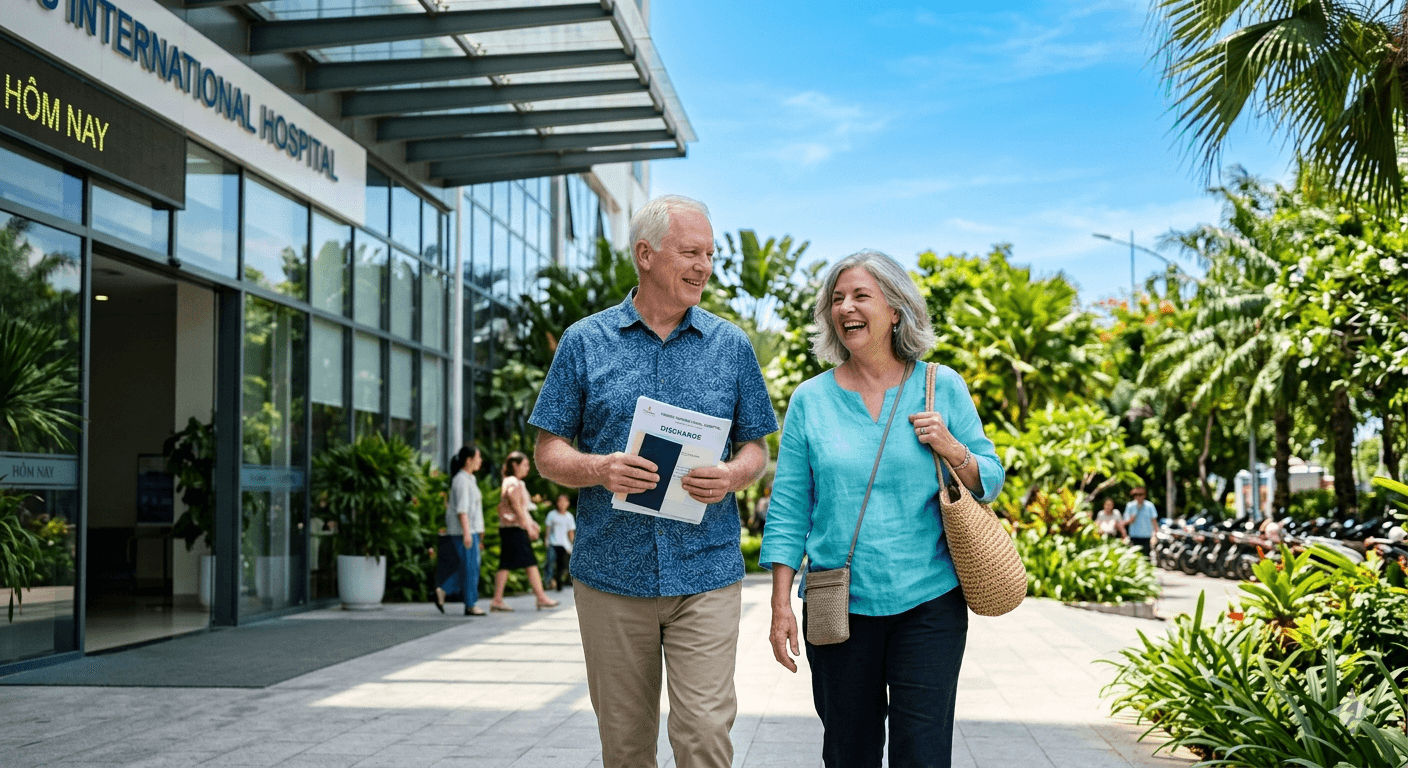
Vietnam has become a legitimate medical tourism destination for Americans in 2026 — with JCI-accredited hospitals, English-speaking specialists, and costs 70–85% below US rates. The experience differs meaningfully from Thailand's more established system: fewer hospitals with international infrastructure, but stronger value, richer cultural experience, and increasingly professional coordination services. Patients who plan carefully consistently report high satisfaction; those who book without support hit logistics friction.
Key Takeaways
- ✅ Vietnam medical tourism market: ~$700M USD in 2024, growing at 18% annually
- ✅ 5 JCI-accredited hospitals currently operating — FV, Vinmec (×2), AIH, Hong Ngoc
- ✅ Top procedures for Americans: Dental (most popular), Orthopedics (highest savings), Health Checkup, IVF
- ✅ Average savings vs US: 70–85% depending on procedure
- ✅ Biggest challenge: logistics coordination — English support gaps outside JCI hospitals
- ✅ Overall patient satisfaction: high when trips are properly planned
The Honest Context: Where Vietnam Stands in 2026
Let's set the scene accurately — because the medical tourism landscape in 2026 is more nuanced than either the enthusiasts or the skeptics suggest.
Vietnam is not Thailand. Thailand has spent 30 years building a medical tourism ecosystem — 50+ JCI hospitals, dedicated international patient departments, Bangkok hospitals that feel like Marriotts, and a government-backed infrastructure designed for foreign patients. It's polished. It works.
Vietnam is a different proposition. The private healthcare sector is younger, the JCI hospital count is smaller, and the international patient infrastructure is less mature outside the top five facilities. These are real differences.
But here's what the "just go to Thailand" crowd misses: Vietnam's JCI hospitals are genuinely world-class, its dental clinics are exceptional, its costs are 20–30% lower than Thailand's top hospitals, and the cultural experience — the food, the history, the landscape — is richer and more distinctive than anything Bangkok's medical district offers.
The 2026 picture for American patients is this: Vietnam rewards the prepared traveler. It's not the path of least resistance, but the return on effort is substantial.
What Americans Are Actually Coming For
Based on patient inquiries and trip completions in 2024–2026, the top procedures driving American medical tourism to Vietnam break down as follows:
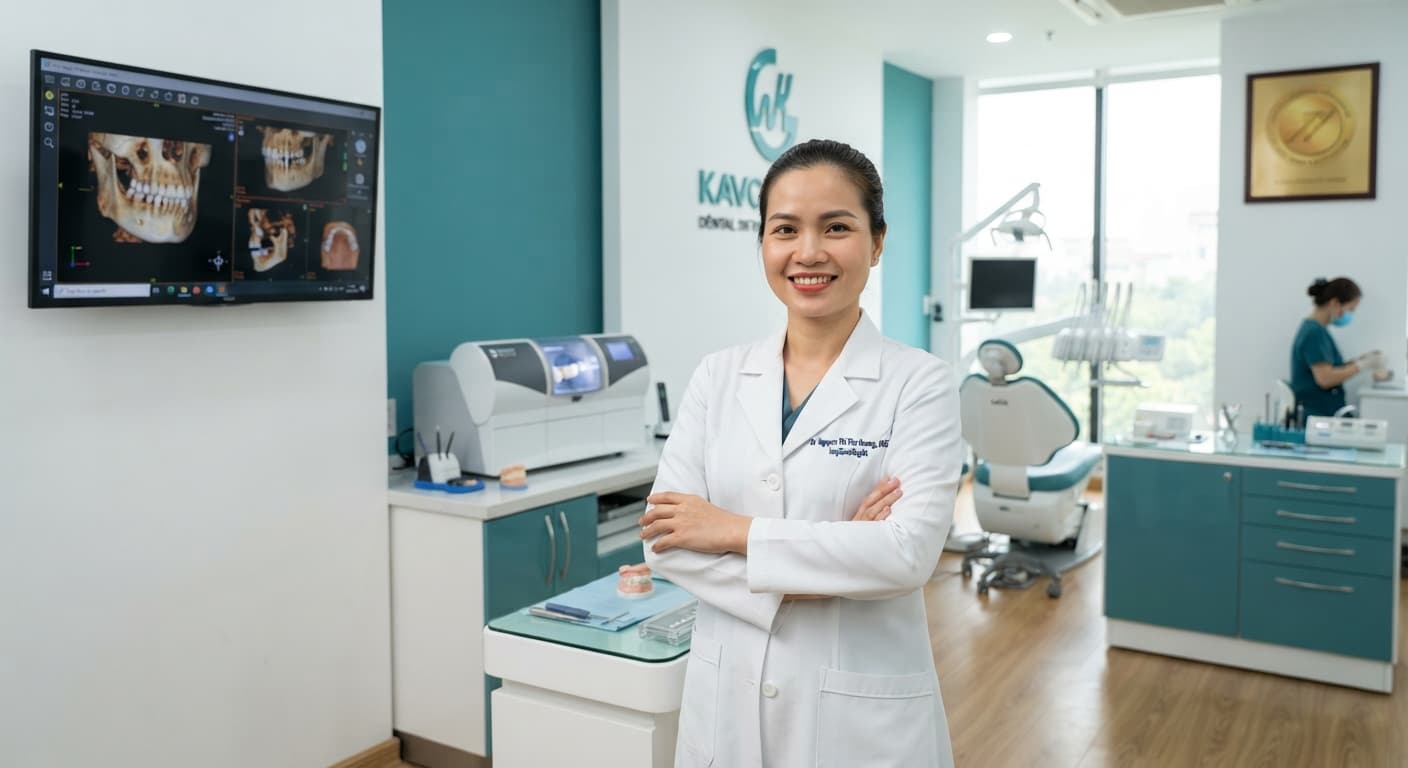
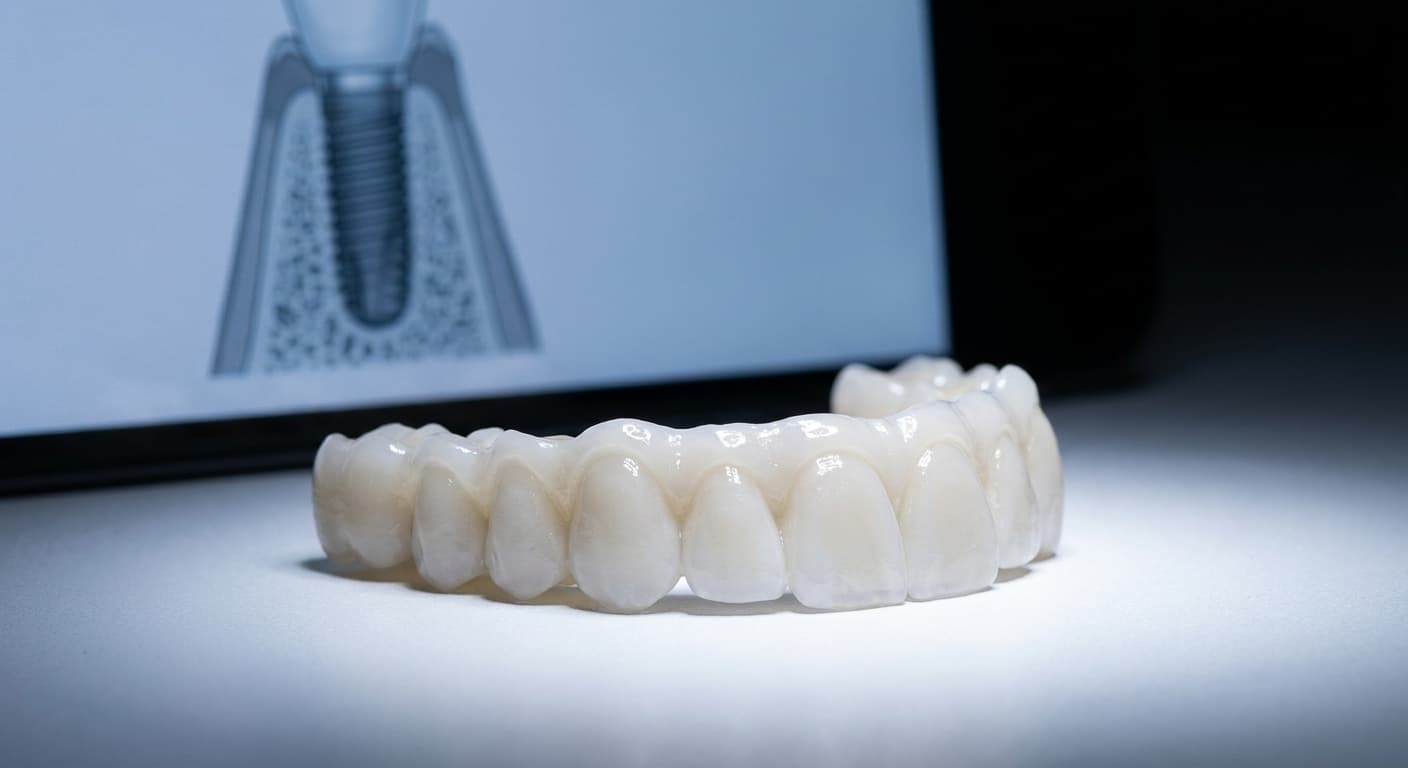
Dental Work — Most popular by volume The combination of high procedure quality, dramatically lower costs, and short treatment timelines makes dental the dominant driver. Patients most commonly seek: dental implants ($800–$1,700 per implant vs $3,000–$5,000 in the US), All-on-4 full arch ($5,000–$10,000 vs $20,000–$40,000), and porcelain veneers ($250–$450 per tooth vs $1,500–$2,500 in the US).
Orthopedics — Highest total savings per patient Knee and hip replacements represent the largest absolute dollar savings of any procedure. A total knee replacement in Vietnam at a JCI hospital costs $8,000–$12,000 versus $40,000–$70,000 in the US out-of-pocket. For patients facing long US wait times or high deductibles, Vietnam's orthopedics option is increasingly compelling.
Health Checkup — Fastest growing segment The full-body health screening in one day ($125–$500) is attracting Americans who are either self-insured, recently retired, or simply cannot coordinate the multi-appointment US screening system. Getting a complete diagnostic picture in a single day is a novelty that Vietnam's hospital system delivers exceptionally well.
IVF — Emotionally driven, cost-sensitive At $3,000–$5,000 per cycle vs $15,000–$25,000 in the US, Vietnam IVF is attracting couples who've exhausted US insurance coverage or want multiple cycle attempts without financial devastation. The emotional weight of IVF makes the concierge support model particularly valuable for this patient group.
Before the Trip: What Americans Worried About (And Whether They Were Right)
The concerns American patients bring to their first consultation tend to cluster around the same themes. Here's an honest assessment of which worries are justified and which dissolve after more information:
"How do I know the quality is real?" Legitimate concern — and the answer is JCI accreditation. For surgical procedures, Meditrips only refers to JCI-accredited hospitals. The Joint Commission International uses the same evaluation standards globally. A JCI hospital in Vietnam was evaluated by the same organization, against the same criteria, as a JCI hospital in Chicago.
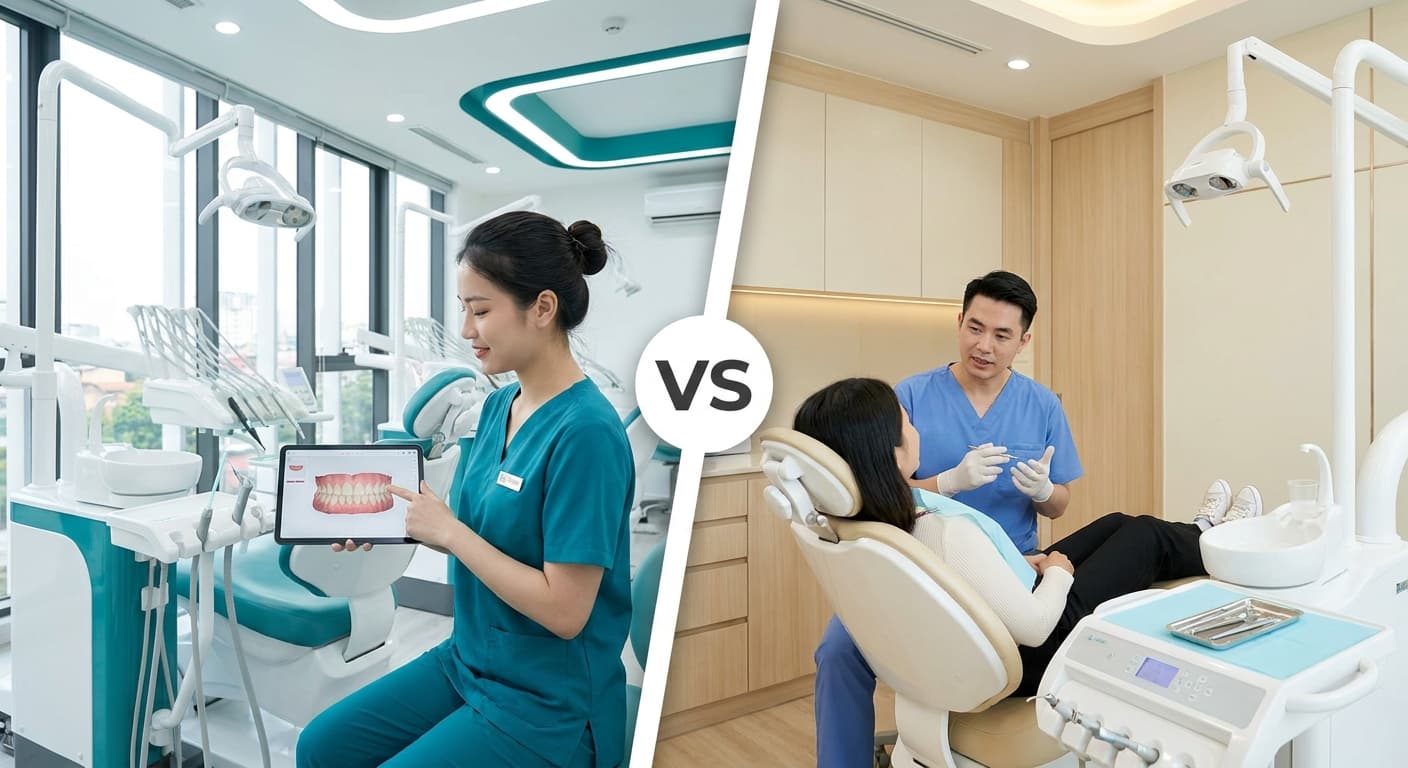
For dental work, the equipment brands are the tell. Clinics using Straumann, Nobel Biocare, and Ivoclar systems are using the same implant and ceramic systems employed by top US dentists. Ask for these specifics before booking.
"What if something goes wrong?" Also legitimate. The honest answer: complications happen everywhere, including the US. What matters is having a system in place if they do. Vietnam's JCI hospitals have established complication protocols, and Meditrips coordinators are on call 24/7 during patient trips. Medical repatriation insurance is available and recommended for surgical procedures.
"Will anyone speak English?" At JCI hospitals and vetted dental clinics: yes, reliably. At general hospitals and smaller clinics outside the vetted network: variable. This is the clearest argument for using a medical coordinator — not because English speakers don't exist, but because you want professional medical interpretation, not a nurse doing their best with limited English during a post-op explanation.
"Is Vietnam safe for travelers?" Vietnam consistently ranks among the safest destinations in Southeast Asia for foreign visitors. US State Department travel advisory for Vietnam: Level 1 (Exercise Normal Precautions) — the lowest risk category, equivalent to Western Europe. The specific medical districts in HCMC and Hanoi where most patients spend their time are urban, well-lit, and infrastructure-rich.

During the Trip: What Actually Surprises People
First-time medical travelers to Vietnam consistently report being surprised by the same things — in both directions.
Positive surprises:
The food. Not a small thing when you're spending 10–14 days in a country. Vietnamese cuisine is extraordinary, widely available, affordable, and — for patients on soft food post-procedure — remarkably adaptable. Pho, banh mi, fresh spring rolls, Vietnamese coffee. Multiple patients describe the food as a highlight of the trip.
The pace of care. Vietnamese doctors move efficiently. Consultations are thorough but not drawn out. Test results come back quickly. The bureaucratic friction that defines US healthcare — the referrals, the pre-authorizations, the 6-week wait for an imaging appointment — is largely absent. You arrive, you get seen, things happen.
The warmth of the clinical staff. This is harder to quantify but consistently mentioned. Vietnamese healthcare workers tend to be attentive, hands-on, and genuinely invested in the patient outcome. The cultural emphasis on care and hospitality translates into the clinical setting.
How modern the top hospitals feel. Patients who expect something rudimentary are consistently struck by the quality of the facilities at FV, Vinmec, and AIH. Clean, well-lit, internationally branded equipment. This isn't a developing-world hospital; it's a modern private facility that happens to be in Vietnam.
Honest friction points:
Getting around. HCMC traffic is intense. Getting from your hotel in District 1 to a hospital in District 7 or Binh Thanh is not a 10-minute Uber. Budget time, book reliable transport through your coordinator, and don't schedule two appointments on the same morning with a 30-minute gap.
Paperwork and billing. Outside the main international patient departments, billing transparency can be inconsistent. Charges can appear that weren't in the original estimate. This is uncommon at JCI hospitals with dedicated international patient desks but worth flagging. Always get an itemized estimate in writing before any procedure begins.
Post-procedure communication. After you return to the US, getting follow-up communication from a Vietnamese hospital can be slow unless you have a coordinator facilitating it. Email response times from hospital administration (as opposed to medical staff) are inconsistent.
After Returning Home: The Longer View
The most meaningful data point from Vietnam medical tourism isn't the cost savings — it's what patients do afterward.
Patients who had uncomplicated procedures and adequate trip support overwhelmingly report the same outcome: they wish they'd done it sooner. The combination of significant financial savings, high clinical quality, and a memorable travel experience creates a strong positive association.
The second most common outcome is referrals. Medical tourism is a word-of-mouth business. Patients who come back with a good story tell their friends — and given the demographics of American patients (retirees on fixed incomes, self-employed adults with high deductibles), the network effects compound quickly.
The patients who report negative experiences almost invariably made the same mistake: they booked independently, without local support, at a facility that wasn't vetted, and encountered problems they had no infrastructure to resolve. This isn't a Vietnam problem — it's a coordination problem.
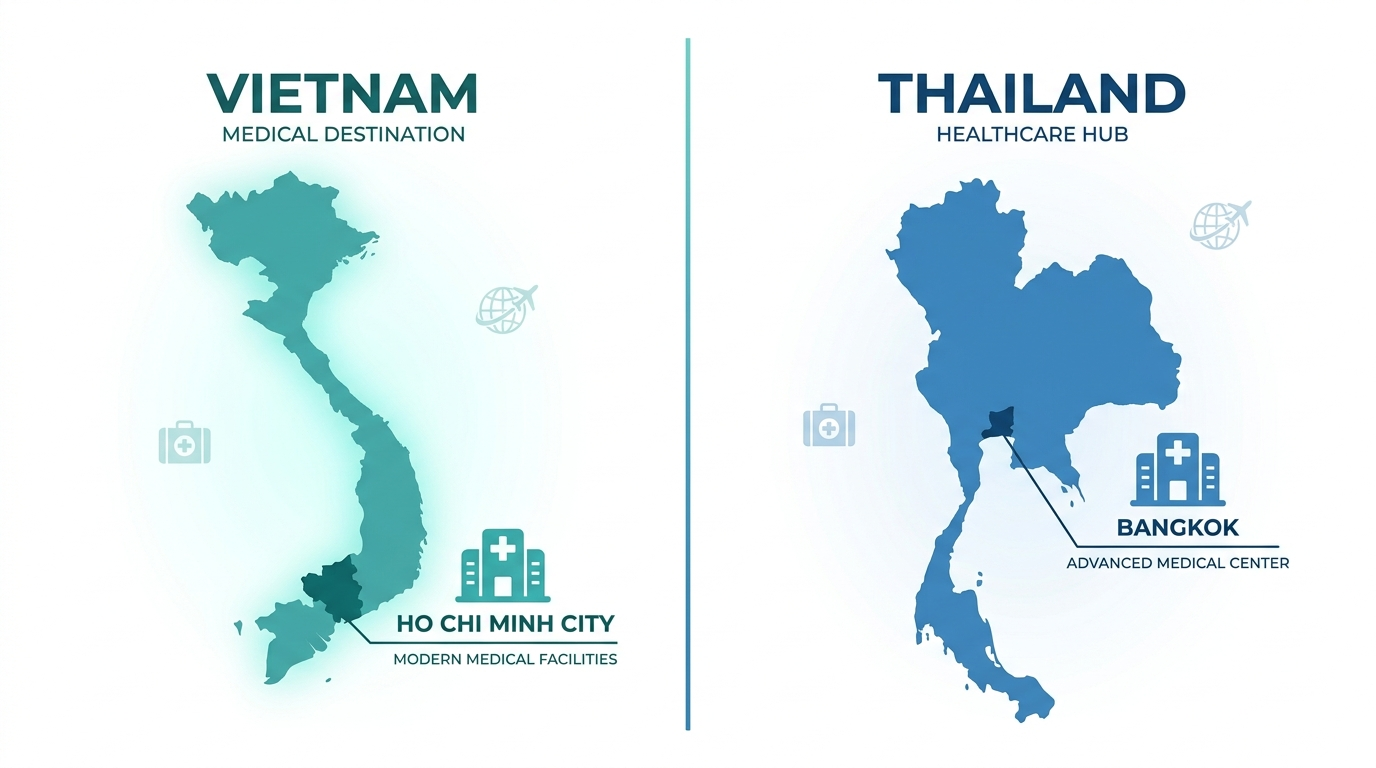
Vietnam vs Thailand: The Honest Comparison
| Factor | Vietnam | Thailand |
|---|---|---|
| JCI hospitals | 5 | 50+ |
| Int'l patient infrastructure | Developing (strong at top 5) | Mature and established |
| Cost vs US | 70–85% cheaper | 60–75% cheaper |
| Cost vs each other | Vietnam 20–30% cheaper | Thailand more expensive |
| English availability | Strong at JCI / vetted clinics | Broadly available |
| Cultural experience | Rich, distinctive, authentic | Strong but more tourist-worn |
| Dental quality | Excellent | Excellent |
| Orthopedics | Very strong (JCI, Zimmer Biomet) | Very strong |
| Ease of self-navigation | More challenging | Easier |
| Best for | Value-seekers, dental, planned surgical | First-timers, complex multi-specialty |
Bottom line: If you want the smoothest possible path with the least friction, Thailand is easier. If you want the best value, a richer cultural experience, and are willing to invest in proper trip planning, Vietnam is the better choice in 2026.
FAQ
Q: Is Vietnam medical tourism actually safe for Americans in 2026? At JCI-accredited hospitals and vetted specialty clinics: yes. Vietnam's Level 1 US State Department travel advisory puts it in the same risk category as France or Germany. The key is where you receive treatment — the quality gap between a JCI hospital and an unvetted clinic is significant. Stick to the vetted network and the safety picture is strong.
Q: How does Vietnam compare to Mexico for dental work? Mexico's primary advantage is proximity — dental clinics in Tijuana and Los Algodones are a short drive from the US border. Vietnam's advantage is quality — top Vietnamese dental clinics consistently outperform Mexico's border-town dental tourism on equipment standards, specialist training, and facility quality. For Americans in the South or Southwest, Mexico makes geographic sense. For anyone willing to make the trip, Vietnam delivers more.
Q: What's the minimum budget for a medical trip to Vietnam? A 10-day dental implant trip including flights from the US West Coast, accommodation, meals, and procedure costs typically runs $5,000–$8,000 all-in — including the implant itself ($800–$1,700). The same procedure in the US (implant alone) costs $3,000–$5,000, without the flights or the trip. The math works at scale — multiple procedures, complex dental, or surgical work compounds the savings significantly.
Q: Is it true that Vietnamese doctors trained overseas? Specialists at Vietnam's top private hospitals commonly have training credentials from France, Australia, the US, Japan, and South Korea. FV Hospital's French heritage means many senior clinicians trained in France. Vinmec's partnership with Cleveland Clinic has brought protocol training and academic exchange. This is verifiable — ask for your treating physician's credentials before your appointment, and a reputable hospital will provide them.
Q: What should I do if I have a complication after returning to the US? Contact your US physician immediately and provide them with your complete discharge documentation from Vietnam (translated to English). Also contact your Meditrips coordinator — they can facilitate remote communication with your treating physician in Vietnam and help coordinate the information transfer. Complications after dental implants, joint replacements, or other procedures are manageable when communication channels are clear and documentation is complete.
How Meditrips Fits In
Meditrips doesn't own hospitals or clinics. We're a coordination service that works exclusively with American patients coming to Vietnam.
What we do: match you with the right facility for your specific condition, manage your appointment schedule, provide on-ground medical interpretation, and stay with you through the entire process — from your first consultation call to your 30-day check-in after you're home.
If you're researching Vietnam as a medical tourism destination and want an honest, no-pressure conversation about whether it makes sense for your situation, we're available.
→ Request a Free Consultation at meditrips.net/contact
Internal Links: → JCI Accredited Hospitals Vietnam | → Medical Concierge Service Vietnam | → Vietnam Health Checkup Packages External Sources: Joint Commission International | US State Department Vietnam Travel Advisory | International Medical Travel Journal 2025
About the Author
Meditrips Editorial Team
Medical Tourism Experts at Meditrips. Helping Americans navigate healthcare in Vietnam.
Ready to Get a Free Quote?
Tell us your procedure. We'll send itemized pricing from 2–3 JCI hospitals within 24 hours.
Talk to a Care Coordinator →